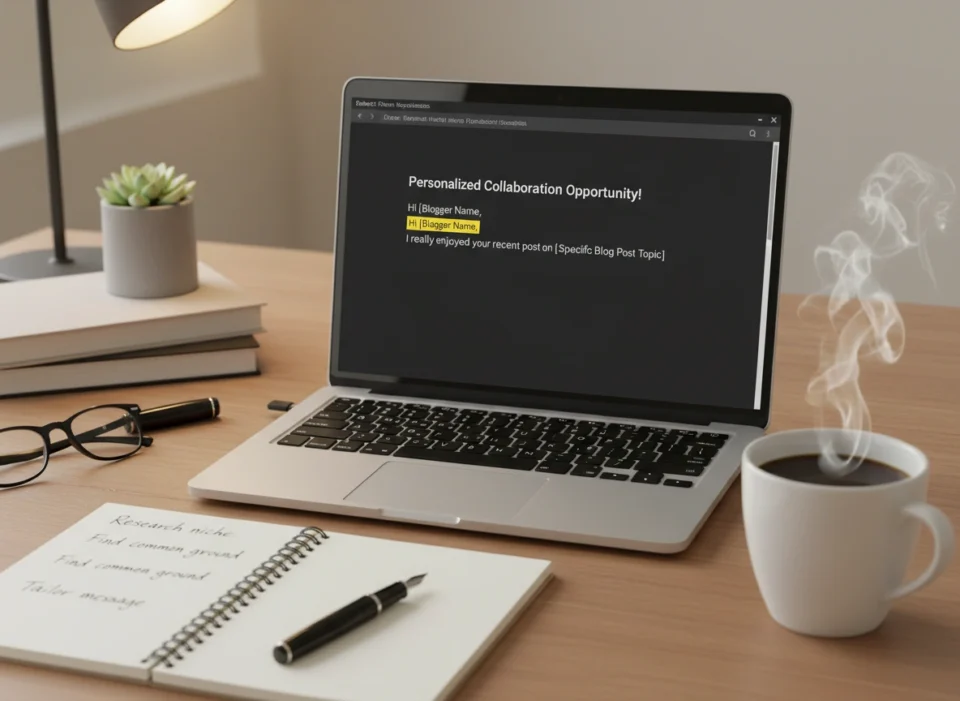
Sending hundreds of identical emails no longer works. Bloggers and site owners receive countless pitches every single day. Most of these messages head straight to the spam folder or the trash bin. If you want your pitch to stand out, you must treat the recipient like a real person.
Personalization is the key to breaking through the noise. It shows you value the blogger’s time and respect their work. When you customize your approach, you shift the dynamic from a cold transaction to a genuine professional connection.
This guide explores practical strategies for personalizing your outreach. We will cover how to research prospects, craft compelling subject lines, structure your message, and demonstrate clear value. By the end, you will know exactly how to write emails that bloggers actually want to read.
Why Generic Pitches Always Fail
Bloggers can spot a copied-and-pasted template from a mile away. Generic pitches usually feature vague compliments, irrelevant topics, and a complete lack of understanding of the target blog. These messages signal laziness. If you do not take the time to read their blog, why should they take the time to read your email?
A personalized approach yields significantly higher response rates. When running a blogger outreach campaign, taking an extra five minutes to customize your email can drastically improve your return on investment. People respond to authenticity. They want to collaborate with professionals who understand their brand and audience.
Master the Pre-Outreach Research
You cannot personalize an email if you know nothing about the recipient. Effective outreach starts long before you open a new draft. You need to gather specific details that prove you did your homework.
Read Their Recent Content
Spend time reading the blogger’s recent articles. Pay attention to their writing style, the topics they cover, and the opinions they share. Look for specific points you genuinely agree with or find interesting. Mentioning a recent article in your email shows you are an actual reader, not just a marketer scraping contact forms.
Check Their Social Media
Social media profiles offer a wealth of personal details. A quick glance at a blogger’s Twitter or LinkedIn feed can reveal their current projects, recent milestones, or even their hobbies. Referencing a recent professional achievement or a shared interest helps break the ice. It transforms a cold email into a warm introduction.
Understand Their Audience
Every successful blogger fiercely protects their audience. They only publish content that serves their readers. Study the comments section to see what their audience cares about. When you understand the readers, you can frame your pitch around how your content or product will solve their specific problems.
Crafting a Subject Line That Demands Attention
The subject line is the most critical part of your email. If it fails to capture attention, your carefully crafted personalization will never be seen. Your subject line must be specific, relevant, and intriguing.
Avoid Deceptive Tactics
Never use deceptive subject lines like “Re:” or “Urgent” to trick people into opening your email. This instantly destroys trust. Be honest about your intentions. Clarity always wins over cleverness.
Use Their Name and Blog Title
Including the blogger’s name or the name of their blog in the subject line immediately signals that the email is meant for them. For example, “A content idea for [Blog Name]” or “Question about your recent post on [Topic].” It is simple, direct, and highly effective.
Nailing the Opening Line
The first sentence of your email sets the tone for the entire message. Do not waste this valuable space with generic pleasantries. Get straight to the point while demonstrating your research.
Skip the Empty Flattery
Phrases like “I am a huge fan of your blog” or “I love your work” mean very little unless you can back them up. If you truly love their work, prove it. Instead of empty flattery, try something concrete. For example: “I really enjoyed your recent breakdown of SEO trends, especially your point about voice search.”
Establish Common Ground
Find a way to connect with the blogger on a human level. Perhaps you attended the same industry conference, or maybe you both share a passion for a specific niche topic. Establishing common ground builds immediate rapport and makes your request feel less intrusive.
Pitching Value, Not Just a Request
Personalization is not just about using someone’s first name. It is about personalizing the offer. Your pitch must align perfectly with the blogger’s goals and content strategy.
Highlight the Benefit to Them
Most outreach emails focus entirely on what the sender wants. Flip the script. Focus on what the blogger gets out of the collaboration. Will your guest post save them writing time? Does your infographic visualize a complex topic their readers struggle with? Make the benefit incredibly obvious.
Suggest Highly Specific Topics
Do not ask a blogger what they want you to write about. That creates more work for them. Instead, pitch two or three highly specific, well-researched topic ideas. Explain why these exact topics will perform well with their specific audience based on your earlier research.
Fill Content Gaps
Look for topics the blogger has not covered yet, but that perfectly align with their niche. If they write about personal finance but have not covered budgeting apps recently, offer a comprehensive guide on that exact subject. Filling a content gap provides immediate, tangible value.
Striking the Right Professional Tone
Your tone should reflect your brand while respecting the blogger’s preferences. Some industries prefer highly formal communication, while others embrace a casual, conversational style.
Match Their Style
Read a few of the blogger’s posts and try to mirror their tone. If their writing is relaxed and full of pop culture references, a stiff, corporate email will feel out of place. If they write highly technical, academic pieces, maintain a formal and precise tone in your outreach.
Keep It Concise
Bloggers are busy. Do not write a novel. State who you are, why you are emailing them specifically, what you are offering, and what the next steps are. Keep your paragraphs short. Use bullet points if you need to list topic ideas. Respecting their time is the ultimate form of professional courtesy.
The Art of the Personalized Follow-Up
People miss emails. A lack of response does not always mean a rejection; it usually just means they were busy. Following up is essential, but it must be done with tact.
Add Value in the Follow-Up
Do not simply send an email saying, “Just bubbling this up to the top of your inbox.” Add a new piece of value. You might share a recent industry news article related to your initial pitch or offer an additional, refined topic idea.
Know When to Stop
Persistence is important, but harassment will get your domain blocked. Send one or two polite follow-ups spaced several days apart. If you still do not receive a reply, accept that it is not the right time and move on to your next prospect.
Conclusion
Personalizing your outreach emails requires time, effort, and serious research. However, the results are always worth the investment. By moving away from automated templates and treating bloggers like real people, you build meaningful relationships that lead to sustainable results.
Start implementing these strategies in your next campaign. Take five extra minutes to read a recent post, craft a specific subject line, and pitch clear value. You will quickly see your open rates rise, your response rates climb, and your professional network grow. Focus on the human element, and the placements will naturally follow.
