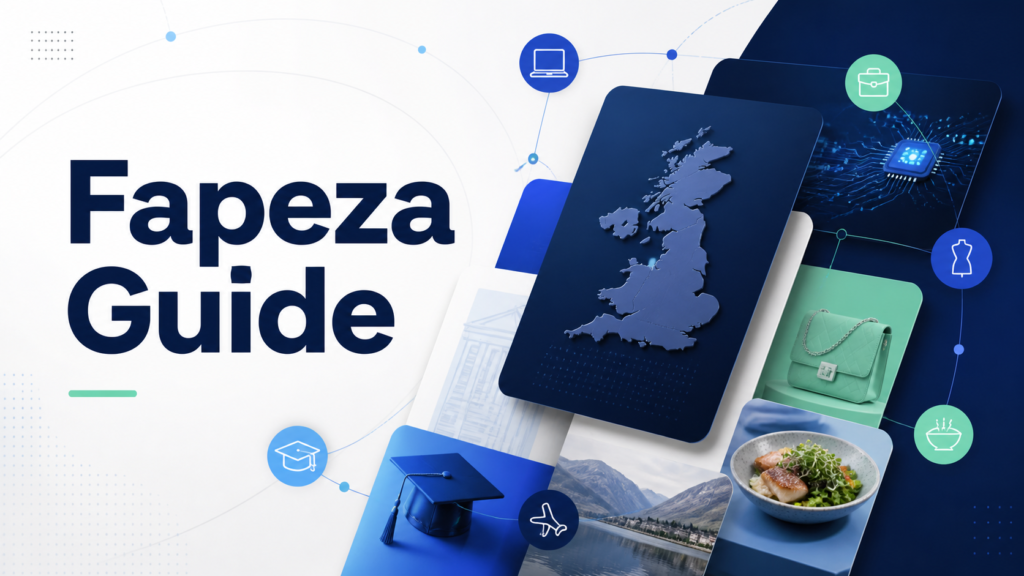
Fapeza UK is built for readers who want practical information in plain English. It brings together guides, explainers and ideas across technology, business, fashion, food, travel, sport and modern life, with a clear focus on usefulness rather than unnecessary jargon.
This page explains how the coverage fits together, what a reader can expect from an article and how to choose the right starting point when a subject crosses more than one category.
A UK-first editorial perspective
A UK-first perspective is not just adding the word “UK” to a headline. It means considering the context behind a question. A business guide may need to refer to UK registration and record-keeping. A travel guide may need to think about rail journeys and changeable weather. A technology guide may need to explain consumer or privacy considerations without assuming that every reader uses the same service.
Where a subject differs between parts of the United Kingdom, responsible writing should say so. Readers can then check the correct local authority, regulator or official service instead of applying a generic answer too confidently.
What readers can find on Fapeza
Technology and digital life
Technology coverage focuses on practical use rather than hype. Readers can explore online safety, software, AI, digital identity, smart devices and everyday workflows. Useful starting points include the Fapeza technology guide hub and the guide to organising your digital life.
Business and money questions
Business coverage explains small-enterprise decisions, work routines, banking basics and cash-flow questions in a readable format. It is general information, not personal financial advice. The Fapeza business guide hub brings those subjects together.
Fashion and food
Fashion articles look at style, trends, fit and buying context. Food coverage includes recipes, ingredients, cooking methods and everyday planning. These pages are intended to inspire and inform, not to turn every article into a product promotion.
Travel, sport and media
Travel guides help readers plan destinations, itineraries and activities. Sport and media coverage explains events, people and stories attracting attention, while recognising that current facts may need checking again after publication.
Who should use these guides?
Fapeza is suitable for a reader who wants a clear first explanation before going deeper. That could be someone setting up a small business, learning a digital tool, comparing a wardrobe choice, planning a short trip or understanding a newsworthy event.
Students, independent workers, households and curious readers can all use the site, but every reader should match the article to the decision. A general guide can help you form better questions; it should not replace a professional assessment of your personal circumstances.
How Fapeza articles are structured
Most practical articles begin with a short explanation of the subject, then move through the decisions, steps, limitations and common questions. Lists help readers scan. Examples make an abstract idea easier to apply. Related links connect the page to other relevant guides rather than sending the reader back to a blank search result.
When a topic is time-sensitive, the publication date and update context matter. Check the page for the latest information and follow a linked primary source when the article concerns rules, prices, schedules or official advice.
Finding a useful starting point
- Choose Technology for digital tools, privacy and online habits.
- Choose Business for work, enterprise and practical money questions.
- Choose Fashion for style, sizing, trends and wardrobe planning.
- Choose Food for recipes, ingredients and cooking ideas.
- Choose Travel for destinations, itineraries and activities.
- Choose Sport and Media for events, people and entertainment context.
If you are new to the publication, begin with the About Fapeza UK page and then follow the related links within the topic that interests you.
Fapeza UK FAQ
Is all Fapeza content only for people in Britain?
No. The editorial perspective is UK-first, but many technology, food, fashion and general life guides can be useful internationally. Check local rules when a subject depends on location.
Does Fapeza cover only current news?
No. The site includes evergreen how-to guides, explainers, recipes, style ideas and some time-sensitive coverage.
How can I contact the publication?
Use the Contact Fapeza page for corrections, source suggestions, editorial questions or partnership enquiries.
How the categories work together
Real questions rarely fit into one box. A small-business owner may need a business-account guide, a cash-flow explanation, a secure home-office setup and a clear email workflow. A traveller may need itinerary planning, food ideas and a practical wardrobe. Category pages make discovery easier, while related links connect the parts of the decision.
This cross-category structure is one reason Fapeza is broader than a single-topic blog. The site can answer the immediate question and then help a reader explore the surrounding context without losing the UK perspective.
Evergreen and time-sensitive coverage
Some pages are designed to remain useful for a long time: recipes, wardrobe planning, digital habits and basic workflows. Other pages depend on a date, event, price, product version or public rule. Read the wording carefully and check the latest linked source before relying on time-sensitive information.
When a page is updated, the goal should be to check the important claims rather than change a date without reviewing the substance. Readers can use the Contact page when a fact appears outdated.
What Fapeza is not
Fapeza is not a government service, a bank, a university, a travel agency or a replacement for a professional adviser. It is an independent editorial platform that helps readers understand a topic and find a sensible next source. Keeping that boundary clear protects readers from treating a general article as a personalised instruction.
